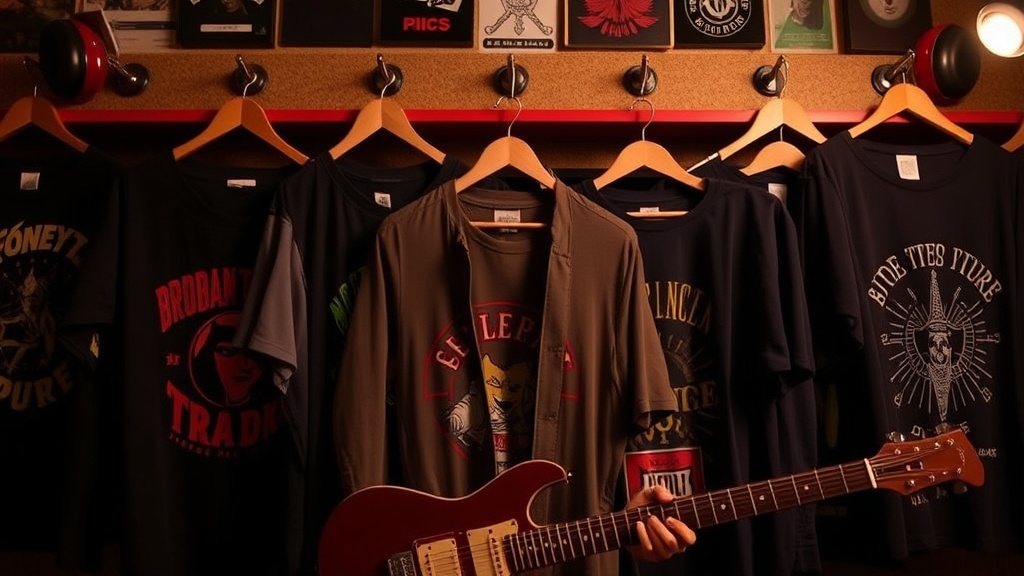
The One Habit That Instantly Makes Your Band Shirt Collection Look Legit

Quick Tip
Treat your band shirts like a curated collection by organizing them with a consistent, visible system.
There’s a moment every collector hits: you’ve got a stack (or a closet, or three bins) of band shirts, and instead of feeling like a curated archive, it just looks like… laundry with better taste. I’ve been there. The turning point wasn’t buying rarer tees or spending more money—it was adopting one simple habit that changed how everything looked overnight.
That habit: treat your shirts like a collection, not clothing.
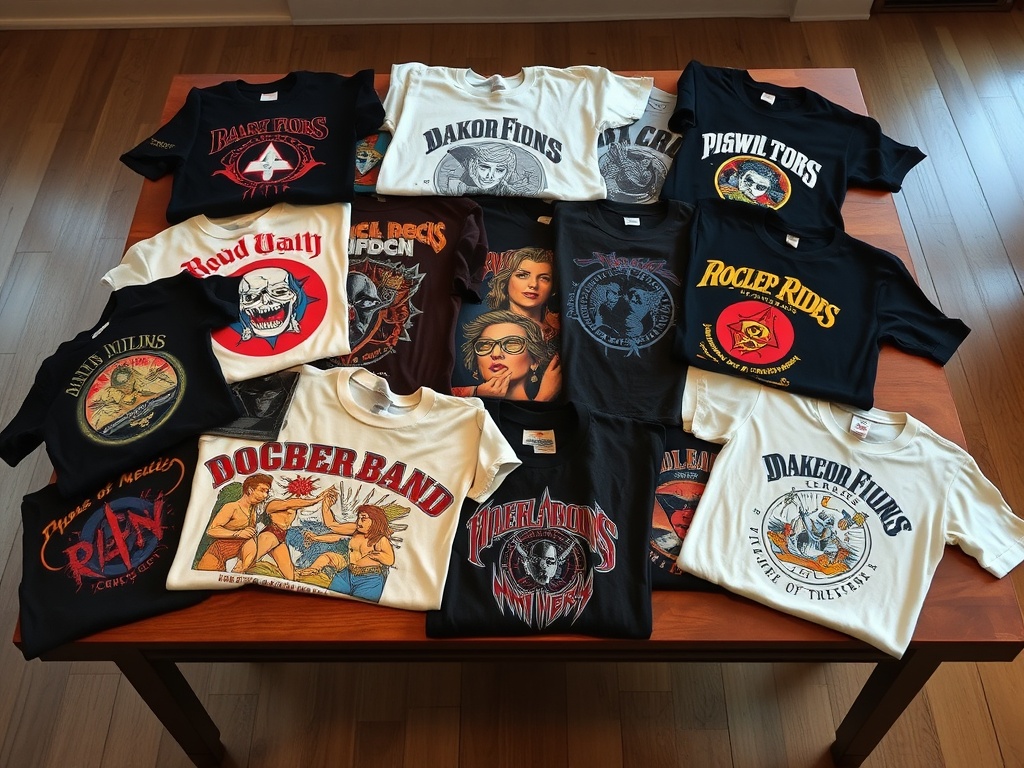
What This Actually Means (And Why Most People Miss It)
Most collectors—even serious ones—default to treating band tees like everyday wear. They’re folded inconsistently, stuffed into drawers, or hung randomly between hoodies and gym shirts. There’s no visual hierarchy, no sense of intention.
The shift is subtle but powerful: you stop thinking “what do I wear today?” and start thinking “how does this piece fit into my collection?”
That mindset alone forces better decisions. Suddenly, condition matters more. Organization matters. Even how you fold a shirt starts to feel like part of the hobby, not a chore.
The Core Tip: Build a Visible System
If you do one thing after reading this, make your collection visible in a consistent way. That doesn’t mean turning your home into a retail store—it means creating a system where your shirts are presented, not hidden.
Here are three proven setups collectors swear by:
- Uniform folding in drawers: Every shirt folded the same way, logos visible when stacked vertically.
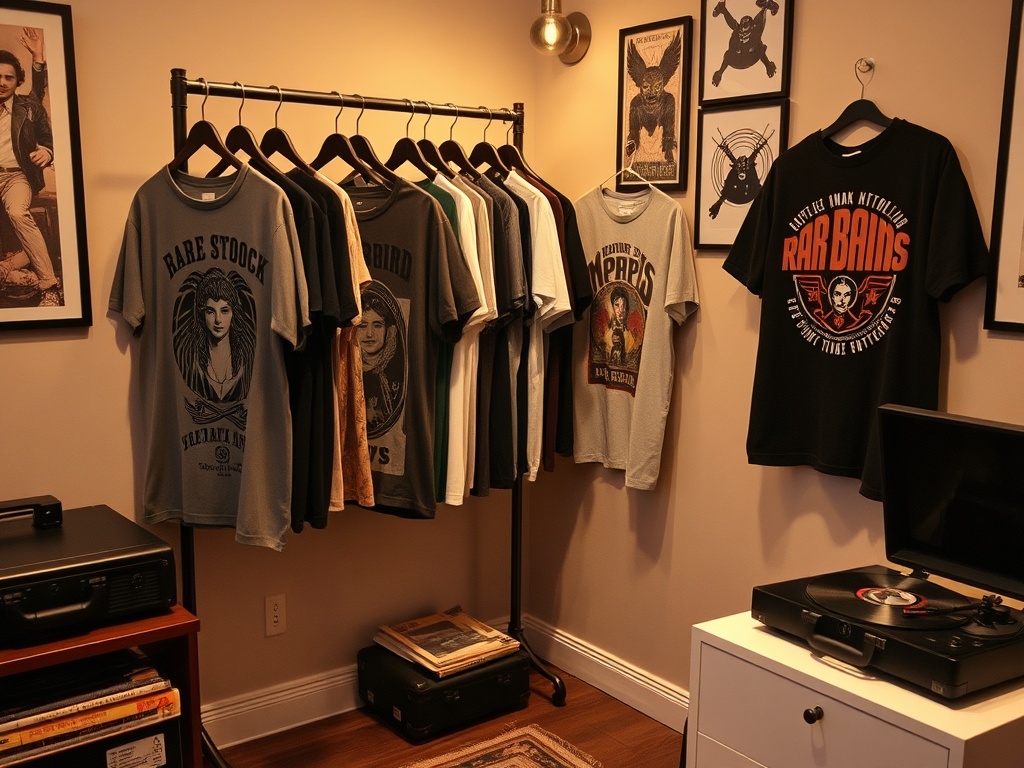
- Color or era-based hanging: Group by decade, genre, or color palette for immediate visual cohesion.
- Rotating display rack: A small rack for your current favorites or rare pieces.
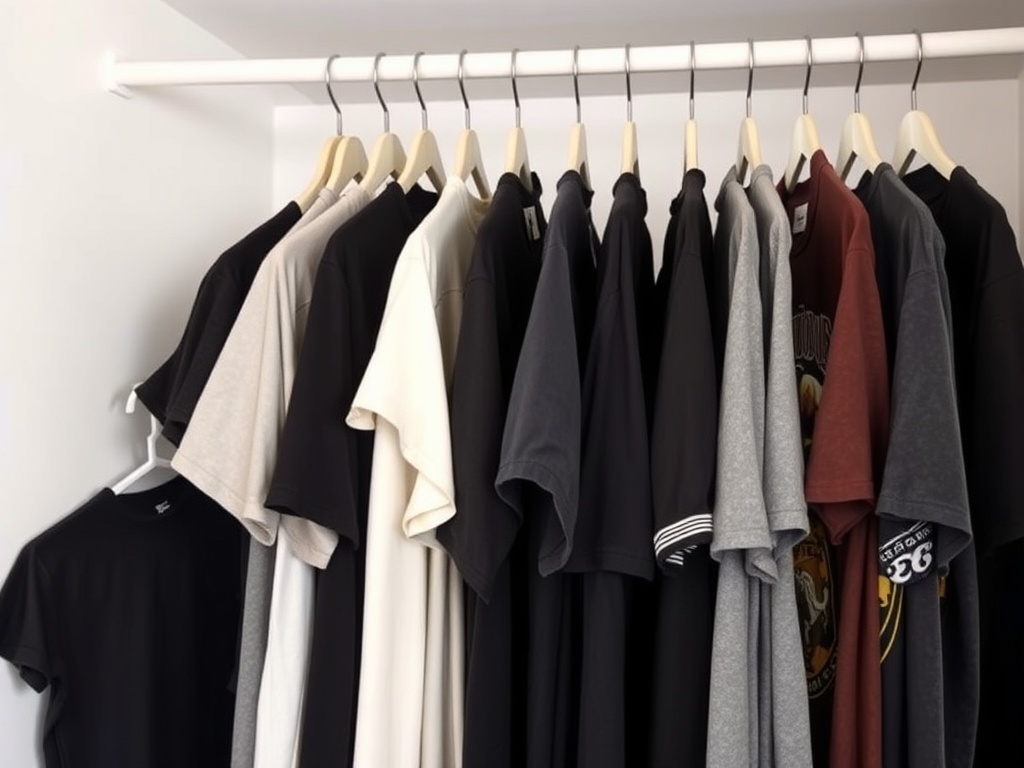
The magic isn’t the method—it’s the consistency. Once everything follows the same logic, your collection starts to look intentional.
Why This Works (Collector Psychology 101)
Collectors respond to patterns. When your brain sees order—aligned folds, grouped themes, consistent spacing—it reads the collection as valuable and curated.
When it sees chaos, it reads it as clutter.
This is why two people with identical shirts can have wildly different-looking collections. One looks like a museum archive. The other looks like a thrift store bin.
The difference isn’t money. It’s presentation.
Condition Becomes Obvious—In a Good Way
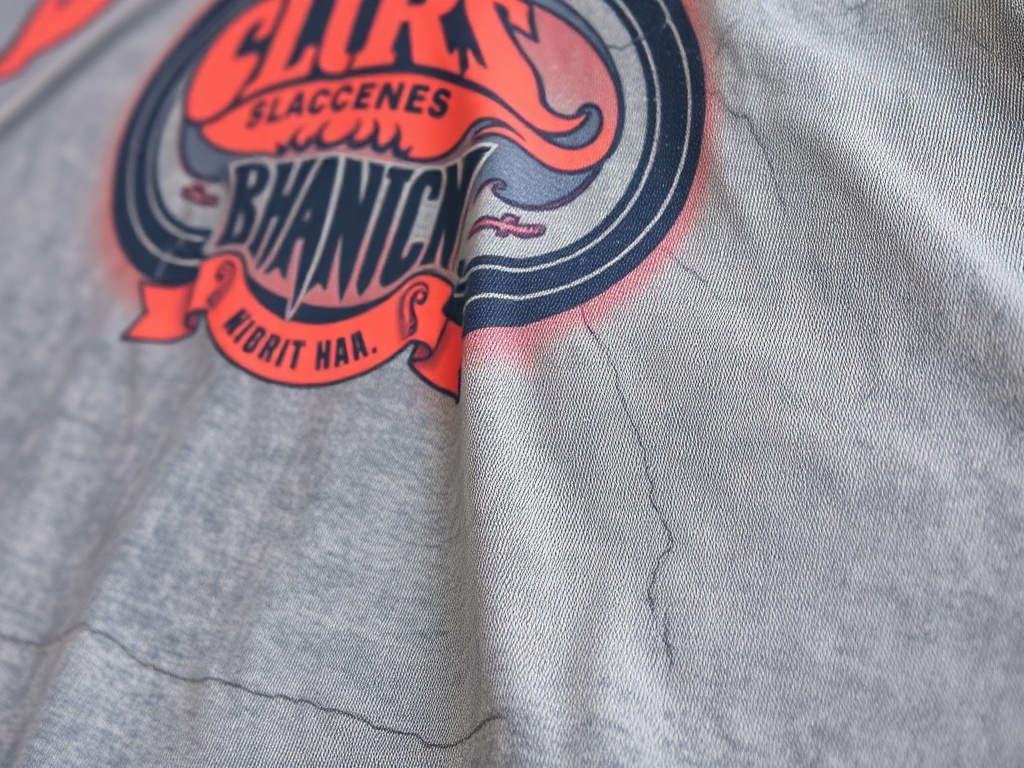
Once your shirts are organized visually, something interesting happens: flaws and standouts become immediately visible.
That slightly cracked print? You’ll notice it faster. That perfectly faded 90s tee? It suddenly pops.
This feedback loop makes you a better collector. You start prioritizing:
- Better storage habits
- More thoughtful purchases
- Cleaner rotation between worn and preserved pieces
You’ll Stop Buying Random Stuff
Here’s the part no one talks about: a visible system makes bad purchases obvious.
When a new shirt doesn’t fit your existing lineup—wrong era, off-brand design, poor condition—it sticks out immediately. That friction is useful. It forces you to ask, “Does this belong here?”
Over time, your taste sharpens. You’re no longer just buying band shirts—you’re building a collection with identity.
The “Five-Second Test”
Stand in front of your collection and give yourself five seconds. Does it look intentional?
If the answer is no, it’s not about needing better shirts. It’s about needing a better system.
A legit collection communicates something instantly: taste, focus, history. If yours doesn’t yet, that’s fixable—and fast.
Simple Upgrades That Amplify the Effect
Once you’ve built your system, a few small tweaks take things further:
- Matching hangers: Sounds minor, makes a huge difference.
- Consistent lighting: Even basic warm lighting elevates the look.
- Spacing: Don’t cram everything together—give standout pieces room.
- Rotation: Swap featured shirts every few weeks to keep it fresh.
What About Storage vs Display?
You don’t need to display everything. In fact, serious collectors usually don’t.
The key is separating your collection into tiers:
- Display tier: Your best or most meaningful pieces
- Accessible tier: Shirts you wear regularly
- Archive tier: Rare or delicate items stored safely
Each tier should still follow the same internal logic. Consistency doesn’t stop just because something is in storage.
The Real Payoff
Once you adopt this habit, something shifts. Your collection stops feeling like a pile and starts feeling like a story.
You can trace eras, see patterns, and actually appreciate what you’ve built. And when someone else sees it? They get it instantly.
No explanation needed.
Final Thought
Most people think legitimacy comes from rarity or price. It doesn’t. It comes from intention.
Start treating your band shirts like a collection—with structure, visibility, and consistency—and everything else follows.
That’s the difference between owning band tees and building something worth showing.