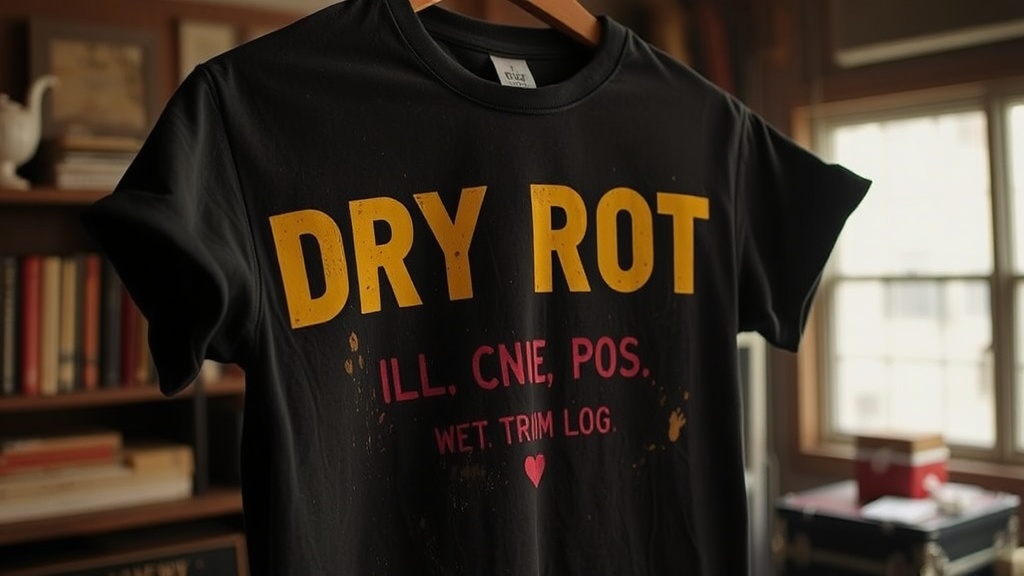
Identifying Dry Rot in Vintage Black Concert T-Shirts

What causes dry rot in vintage black t-shirts?
You’re going to learn how to identify dry rot in vintage black t-shirts so you don’t end up throwing away hundreds of dollars on a garment that’s basically a ticking time bomb. This isn’t a standard lesson on wear and tear; it’s about a chemical breakdown that turns a 1992 Metallica or Nirvana shirt into something that shreds like wet tissue paper. If you’re buying vintage, especially pieces from the late 1980s through the mid-1990s, understanding the sulfur dye reaction is the most important skill you can have in your toolkit.
The root of the problem isn't actually rot in the biological sense—it's not a fungus or a mold eating the fabric. Instead, it’s a chemical process called acid hydrolysis. During the 1990s, many textile manufacturers used sulfur-based black dyes to achieve that deep, dark obsidian look that fans craved. These dyes were cheap and effective, but they had a hidden flaw. Over decades, the sulfur in the dye reacts with moisture in the air to create sulfuric acid. This acid slowly eats away at the cellulose fibers of the cotton, making them brittle and weak.
You’ll mostly see this on 100% cotton shirts. Poly-blend shirts (like those 50/50 Screen Stars tags) are usually safe because the polyester fibers don't react to the acid in the same way. The environment plays a massive role here, too. If a shirt has been sitting in a humid attic or a damp basement for twenty years, the reaction accelerates. In places like Tucson, where the air is dry, we see it less often, but shirts shipped in from the East Coast or overseas are always a gamble.
How do you test a shirt for dry rot without ruining it?
The "tug test" is the industry standard, but you’ve got to be smart about it. You can’t just walk up to a vendor at a vintage market and rip their merchandise in half. Instead, find an inconspicuous spot like the inner bottom hem or the corner of a sleeve. Hold the fabric between your thumbs and forefingers and give it a sharp, firm tug. A healthy shirt will stretch and snap back. A rotted shirt will make a distinct "rrip" sound, almost like you’re tearing a piece of construction paper.
If you’re buying online, look for signs in the photos. Rotted shirts often have a specific "matte" look—they don’t reflect light quite right. Sometimes they look almost "dusty" or "crispy." Ask the seller if they’ve done a pull test. If they’re a reputable vintage dealer, they’ll know exactly what you’re talking about. If they refuse to do it, that’s a massive red flag. You might also notice black flakes or "soot" on your hands after handling the garment. That’s literally the cotton fibers disintegrating into nothing.
Which vintage tags are most at risk for dry rot?
While any sulfur-dyed shirt can rot, certain brands from the early 90s are notorious for this issue. Collectors often look for these tags as a badge of authenticity, but they also require extra scrutiny. Brockum, Giant, and Winterland are the "big three" when it comes to iconic 90s tour merch, and they all have a history of dry rot issues depending on the specific batch of blanks they used during the production run.
| Brand Tag | Risk Level | Common Years |
|---|---|---|
| Brockum (Worldwide/Group) | High | 1991-1994 |
| Giant (by Tultex/Anvil) | Moderate | 1992-1996 |
| Winterland (Rock Express) | Moderate | 1989-1993 |
| Screen Stars (Best/50-50) | Very Low | All Years |
Brockum shirts are the ones that break hearts most often. They handled massive tours for bands like Guns N' Roses, Metallica, and Pink Floyd. If you find a "Deadstock" (unworn and unwashed) Brockum shirt from 1992, you must test it. Paradoxically, shirts that were washed frequently are often safer because the water helped rinse away the excess sulfur chemicals before they could turn into acid. The "mint condition" shirt that’s been sitting in a box for 30 years is actually the most likely to be rotted. It’s a strange reality where the more a shirt was loved and worn, the longer it might survive.
Can you save a vintage shirt that has already started rotting?
It’s a tough pill to swallow, but there is no cure for dry rot. Once the structural integrity of the cotton fibers is gone, it’s gone forever. There is no magic soak, no special detergent, and no vinegar bath that can re-bond the cellulose. Some collectors suggest using an alkaline buffer like sodium bicarbonate to neutralize the acid and stop further damage, but that doesn't fix the damage that’s already occurred. The shirt will still tear the next time you try to put it on or even when you try to fold it.
If you find yourself with a rotted grail, don't throw it in the trash just yet. While you can't wear it, you can still preserve the history. Frame the shirt as a piece of wall art. Use an acid-free archival backing and UV-filtered glass to keep the print from fading further. It’s better to have a beautiful piece of music history on your wall than a pile of black dust in your closet. Just make sure you don't store it near your healthy shirts, as some collectors believe the "off-gassing" from a rotted shirt might affect nearby garments in very enclosed spaces. We don't have definitive proof of this "contagion," but why take the risk with your collection?
Best practices for preventing rot in your own collection
If you've got a collection of 90s black cotton, you need to be proactive about storage. Humidity is the enemy. Keep your shirts in a climate-controlled environment—never in a garage or an uninsulated attic. Avoid plastic storage bins that trap moisture; instead, use breathable cotton garment bags or acid-free cardboard boxes. If you have deadstock shirts that you intend to keep for a long time, consider giving them a single, gentle wash in distilled water. This can help remove any residual dye chemicals that might cause problems ten years down the line.
- Store shirts flat whenever possible to avoid stress on the shoulders.
- Keep your storage area dark, cool, and dry.
- Avoid using cardboard that isn't specifically labeled as acid-free.
- Check your 90s black shirts at least once a year for changes in texture.
The vintage market is currently flooded with "reprints" and "bootlegs," but for those of us who care about the real deal, dry rot is just part of the game. It’s the risk we take for owning a piece of the 1991 Lollapalooza tour or a first-run Soundgarden shirt. Being an informed collector means knowing when to walk away from a "perfect" shirt that's actually falling apart. Trust your ears—that paper-tearing sound doesn't lie—and trust your hands. If a shirt feels like it's made of cardboard, keep your money in your pocket.
You can find more detailed information on textile preservation from the Library of Congress or check out the technical standards at the Textile Society of America. The Smithsonian also provides excellent resources for archival care. Keeping these pieces alive is about more than just fashion; it's about preserving the physical artifacts of the music that shaped us.